
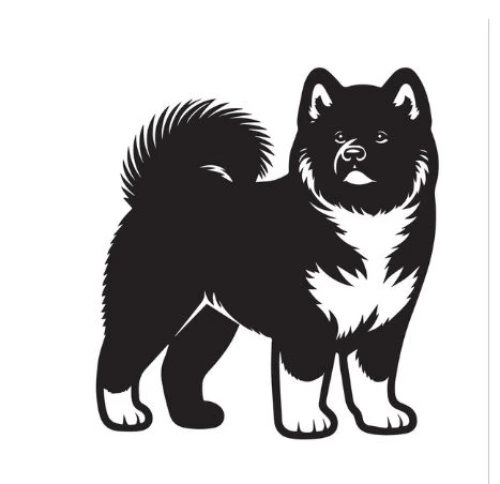

When considering how to train an Akita, you must first understand that you’re dealing with no ordinary dog. Akitas are magnificent, powerful creatures known for their loyalty, intelligence, and strong-willed nature. American Kennel Club’s Akita breed standard. Originally bred for hunting and guarding in Japan, these dignified dogs possess an independent spirit that can make training both challenging and incredibly rewarding. Learning how to train an Akita effectively requires a specialized approach that respects their unique temperament while establishing clear leadership.
These intelligent dogs often display what owners affectionately call the “Akita stubbornness” – a tendency to think for themselves and question your commands. This independent nature means traditional training methods might not always yield the desired results. Instead, you’ll need to engage their minds and respect their intelligence while maintaining consistency. The good news? With the right approach, you can transform your Akita puppy into a well-mannered, loyal companion that embodies the breed’s renowned dignity. Understanding Your Akita’s Unique Nature
Throughout this comprehensive guide, we’ll explore proven techniques that leverage positive reinforcement, early socialization, and structured sessions to help you master how to train an Akita effectively. Whether you’re dealing with leash pulling, stubbornness, or general obedience, these strategies will set you and your majestic companion up for success.
The Critical Importance of Early Socialization for Akita Puppies
Starting at the Right Time
The most crucial period for socializing your Akita puppy occurs before they reach 16 weeks old, with their most impressionable window being between 6-12 weeks of age.ASPCA’s guide to puppy socialization Since most owners bring their puppies home around 8 weeks, this creates a narrow but critical timeframe to expose them to positive experiences. Proper socialization during this period can significantly impact their adult temperament, reducing potential fear-based aggression and anxiety around novel situations.
While socialization should begin immediately, you must balance this with health considerations. Most veterinarians recommend limiting exposure to unfamiliar dogs and high-traffic public areas until your puppy is fully vaccinated against threats like parvo, distemper, and rabies . During this vulnerable period, focus on controlled introductions to fully vaccinated dogs belonging to friends or family members, and avoid places like dog parks or pet stores where disease risk is higher.
Socialization Methods That Work
Effective socialization involves more than simply exposing your Akita puppy to new experiences – it’s about creating positive associations through careful management and rewards: ASPCA’s guide to puppy socialization
- Environmental Exposure: Gradually introduce your puppy to various surfaces (grass, pavement, wood floors), sounds (vacuum cleaners, doorbells, traffic), and sights (umbrellas, hats, bicycles) while offering high-value treats.
- Multiple Environments: Socialize your Akita both inside your home and in outside locations to prevent territorial behavior . Akitas can be extremely territorial, so having guests visit your home and rewarding calm behavior is crucial.
- Structured Introductions: When introducing your puppy to new people or animals, do so in controlled settings. For meeting household guests, consider initial introductions on neutral territory before moving inside, as walking together can help your Akita view newcomers as part of the “pack” .
- Handling Exercises: Prepare your Akita for veterinary exams and grooming by regularly handling their paws, ears, mouth, and body . Pair these sessions with treats to create positive associations with being touched. recommended health screenings for Akitas
Table: Essential Socialization Experiences for Akita Puppies
| Socialization Category | Specific Examples | Positive Reinforcement Tips |
|---|---|---|
| People | Different ages, heights, clothing styles, people with hats/beards/glasses | Ask strangers to toss treats rather than reaching to pet |
| Animals | Vaccinated, friendly dogs of various sizes; cats if applicable | Keep initial interactions brief and reward calm behavior |
| Environments | Quiet parks, pet-friendly stores (after vaccinations), different floor surfaces | Bring high-value treats to create positive associations |
| Handling | Paw touching, ear inspection, mouth handling, grooming procedures | Use extra-special treats reserved only for handling sessions |
Mastering Positive Reinforcement Techniques for Akita Training
Understanding What Motivates Your Akita
Positive reinforcement training emphasizes rewarding your dog for appropriate behavior rather than punishing bad behavior, which professional trainers and veterinarians recognize as highly effective . scientific studies on positive reinforcement This approach increases the likelihood of good behavior being repeated by offering a positive consequence immediately after the desired action occurs. When figuring out how to train an Akita, identifying what truly motivates your individual dog is crucial – while many Akitas are food-driven, some may respond better to favorite toys, praise, or brief play sessions as rewards .
For food-motivated Akitas, use their regular kibble for basic training sessions rather than special treats, as this ensures their regular food maintains value during training . Reserve high-value treats like small pieces of chicken, cheese, or commercial training treats for more challenging situations or when training in distracting environments. Remember that Akitas can have discerning tastes, so experimenting with different reward types will help you discover what your particular dog finds most motivating.
Implementing Effective Reward-Based Training
The timing of your rewards is critical when implementing positive reinforcement. The reward must occur immediately (within seconds) of the desired behavior to help your Akita make the correct association. For example, if you’re teaching “sit,” the treat should be given the moment their rear touches the floor, not when they’ve already stood back up. certified professional dog trainer near you
Keep these principles in mind:
- Be Immediate and Consistent: Always reward desired behaviors as they happen, not after the fact. Consistency in your rewards and expectations helps your Akita understand what you want when you are learning how to train an Akita
- Use Variable Reinforcement: Once a behavior is learned, gradually transition from continuous reinforcement (rewarding every time) to variable reinforcement (rewarding unpredictably), which strengthens the behavior long-term.
- Pair Verbal Praise with Treats: Combine “primary reinforcers” like food with “secondary reinforcers” like verbal praise or petting, so your Akita learns to appreciate both forms of recognition.
- Avoid Punishment: Punishment can increase anxiety and fear in Akitas, potentially worsening behavioral issues and damaging your bond . Instead, manage the environment to prevent unwanted behaviors and reward alternative appropriate behaviors.
Keeping Training Sessions Short and Engaging for Optimal Results
The Benefits of Brief, Focused Sessions
Akitas have limited attention spans and can quickly become bored with repetitive training, making short sessions more effective than marathon training attempts. Professional recommendations suggest keeping sessions to a maximum of 5 minutes to maintain your Akita’s attention and prevent frustration . It’s far more productive to conduct three 5-minute sessions throughout the day than a single 15-minute session that tests your dog’s patience.
These intelligent dogs thrive on mental stimulation but resist tedious repetition. By keeping sessions brief, you end on a positive note with your Akita still engaged and eager for more. This approach preserves their enthusiasm for training and strengthens your bond rather than turning sessions into a power struggle. Additionally, multiple short sessions throughout the day provide more opportunities for reinforcement, accelerating the learning process.
Strategies for Engaging Your Akita
Making training fun and varied is key to maintaining your Akita’s interest. Incorporate these strategies to keep sessions engaging:
- Incorporate Play Breaks: Mix brief play sessions between training repetitions to keep the mood light and enjoyable. For example, after a successful “stay” practice, reward with a quick game of tug before returning to training.
- Vary Training Locations: Once your Akita has mastered a behavior in one environment, practice in different locations with varying distraction levels to proof the behavior . This strengthens their response regardless of surroundings.
- Challenge Their Intelligence: Akitas excel at problem-solving, so incorporate puzzle toys DIY puzzle toys for dogs or hide-and-seek games that engage their natural cognitive abilities alongside formal training.
- End on a High Note: Conclude each session after a successful repetition, leaving your Akita feeling accomplished and looking forward to the next session.
Leash Training Strategies for Strong Pullers
Establishing Basic Leash Skills
Leash training an Akita requires patience, consistency, and an understanding of their powerful build and strong prey drive. These dogs can easily pull toward interesting sights like squirrels or moving leaves, making leash manners essential for enjoyable walks . Begin leash introduction indoors in a distraction-free environment when learning how to train an akita, allowing your Akita to wear the leash and get comfortable with its feel before attempting outdoor walks .
Implement a zero-tolerance policy for pulling: the moment your Akita begins to pull, stop walking completely . Humane Society’s leash training tips“.Remain stationary until the leash loosens, then continue your walk. This teaches your Akita that pulling doesn’t get them where they want to go – only loose leash walking does. You may need to stop every few steps initially, but consistency is crucial for this method to succeed.
Effective Equipment and Techniques
While many tools like prong collars exist, positive reinforcement methods with standard equipment often work best for Akitas when applied consistently:
- Appropriate Equipment: A well-fitting harness can provide better control without straining your Akita’s neck . No-pull harnesses that gently apply pressure to the chest when pulling occurs can discourage pulling without causing harm .
- Loose Leash Walking: Reward your Akita with high-value treats for walking beside you with a loose leash. Use a consistent command like “with me” or “heel” to indicate this position .
- Direction Changes: When your Akita pulls, change direction instead of simply stopping, encouraging them to pay attention to your movements rather than forging ahead.
- Recall Integration: Practice recall commands during walks by stepping backward and using an excited tone to encourage your Akita to come to you, then rewarding generously .
Addressing the Akita’s Famous Stubbornness
Understanding Independent Thinking
The Akita’s renowned stubbornness stems from their history as independent hunters and guardians who made decisions without human direction. This independent thinking means they often question the purpose behind commands rather than blindly obeying . When training an Akita, you’re not simply programming responses – you’re engaging in a conversation with a intelligent being who may have their own opinions about your requests of how to Train an Akita, guide to reading dog body language
This strong-willed nature typically appears most prominently during adolescence (around 1-2 years old), when your Akita may test boundaries and challenge your leadership . Preparation for this phase through early training establishes respect and clear communication before this challenging period arrives. Remember that what appears as stubbornness is often intelligence – Akitas typically learn commands quickly but may choose not to comply if improperly motivated . our step-by-step guide to crate training
Strategies for Success with Strong-Willed Akitas
- Establish Clear Leadership: Akitas respect confident, consistent leaders. Set clear rules and boundaries and ensure all family members enforce them consistently to prevent confusion.
- Use High-Value Rewards: When your Akita refuses a known command, they’re often communicating that the reward isn’t worth the effort. Upgrade your treats or rewards to increase compliance.
- Practice the “Nothing is Free” Protocol: Ask your Akita to perform a simple command (like “sit”) before receiving meals, treats, or attention to reinforce your leadership position.
- Avoid Power Struggles: If your Akita refuses a command, avoid repeating it endlessly or raising your voice. Instead, take a break and return to the training later or try a different approach.
- Follow Through: If you promise a reward for compliance, always deliver. Akitas quickly learn whether you’ll follow through on your promises .
Finding Your Perfect Akita Puppy
Understanding Acquisition Considerations
Once you’ve decided to welcome an Akita into your life, finding a reputable source becomes crucial. While you might search for akita puppies for sale under $500, be wary of prices that seem too good to be true, as they often indicate puppy mills or irresponsible breeders. The typical akita puppy price from reputable breeders generally ranges from $800 to $2,000+, depending on bloodline, location, and the breeder’s reputation.
When investigating how much does an akita puppy cost, remember that the initial purchase price is just one part of responsible ownership. Quality food, veterinary care, training, and supplies represent significant ongoing investments. For those seeking american akita breeders usa, thorough research is essential – look for breeders who perform health testing on their breeding stock, prioritize temperament, and welcome your questions about their program.
Responsible Sourcing Practices
Whether you’re looking for black akita puppies for sale or interested in akita puppies for sale Seattle WA, Seattle Animal Shelter. always prioritize responsible breeding practices over convenience or price. Reputable akita puppies breeders will interview you as thoroughly as you interview them, ensuring their puppies go to suitable homes. They should provide health clearances for both parents, offer a clean environment to visit, and maintain involvement throughout the dog’s life. how to identify a puppy mill
Be prepared when investigating where can I buy an akita puppy – responsible breeders often have waiting lists rather than immediately available puppies. Avoid sources with multiple litters always available,how to identify a puppy mill those who won’t let you see the puppy’s environment, or who seem primarily focused on payment rather than the puppy’s welfare. If considering rescue, organizations like Akita Rescue Society of America provide opportunities to give adult Akitas loving homes.
Your Journey to a Well-Trained Akita
Learning how to train an Akita represents a journey of patience, consistency, and mutual understanding that yields incredible rewards. By implementing positive reinforcement, early socialization, structured sessions, and specialized techniques for leash walking and stubbornness, you’ll develop a bond with your Akita built on respect and clear communication. how the Akita compares to the Shiba Inu
Remember that each Akita possesses a unique personality – some may be more independent than others regardless of your training efforts. The time and dedication you invest in proper training will transform your Akita into the magnificent, well-behaved companion the breed is capable of becoming. Your journey to mastering how to train an Akita begins with the first step, continues with each consistent session, and culminates in the privilege of sharing your life with one of the canine world’s most noble breeds.


0 Comments