

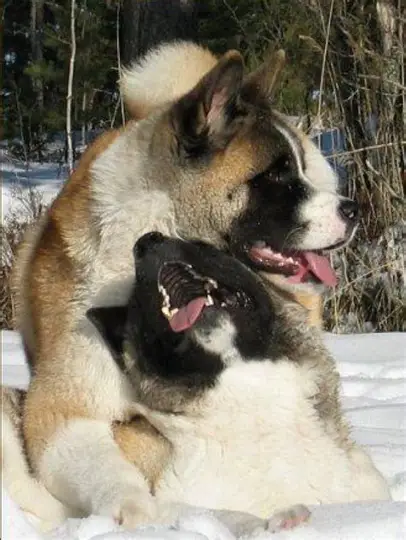
When considering a large, noble breed like the Akita for a family with children, understanding the Akita temperament with children becomes paramount. These magnificent dogs, with their bear-like faces and curled tails, present a fascinating blend of loyalty and independence that can be both rewarding and challenging for families. The Akita temperament with children is a complex tapestry woven from centuries of breeding as protectors and hunters, resulting in a dog that forms deep bonds with its family while maintaining a cautious reserve toward outsiders. As we explore the Akita temperament with children in depth, you’ll discover whether this breed’s unique characteristics align with your family’s lifestyle and dynamics, helping you make an informed decision about welcoming one into your home.
The question of how an Akita temperament with children develops isn’t one with a simple answer, as it depends on numerous factors including early socialization, training, and the individual personality of both the dog and the children in the household. While some families report incredible bonds between their Akitas and children, others face challenges that require careful management. This comprehensive guide will walk you through every aspect of the Akita temperament with children, from their unwavering loyalty to considerations regarding their strong prey drive, providing you with the knowledge needed to foster a safe and harmonious relationship.
Understanding the Akita Temperament with Children
To truly understand the Akita temperament with children, we must first look to their origins. Hailing from the Akita Prefecture in Japan, these dogs were originally bred for hunting large game like bears and wild boar . This history has endowed them with tremendous courage, intelligence, and independence—traits that significantly influence their behavior in family settings today. The now-famous story of Hachiko, the Akita who waited for his deceased owner at a train station for nearly a decade, perfectly illustrates the profound loyalty that defines this breed According to American Kennel Club – Akita Breed Information
It’s important to recognize that there are two distinct varieties of Akita: the Japanese Akita Inu and the American Akita. While both share a common ancestry, they have diverged somewhat in appearance and temperament. The Japanese Akita is typically more reserved and gentle, while the American Akita tends to be larger, more assertive and protective as noted by Akita Club of America – Official Breed Club . Understanding these differences is crucial when considering the Akita temperament with children for your specific household.
The Unique Nature of Akita Personality
Akitas possess a fascinating combination of traits that make their temperament with children unique. They’re known for being independent thinkers, which means they often prefer to make their own decisions rather than blindly follow commands . This intelligence can be marvelous when properly channeled, but it can also be mistaken for stubbornness. Additionally, their protective instincts run deep, as they were historically used as guard dogs according to PDSA – Akita Health and Care Information. This makes them naturally wary of strangers but fiercely devoted to their families.
Another crucial aspect of the Akita temperament with children is their high energy level and need for mental stimulation. These are not couch potato dogs; they require regular exercise and engagement to remain happy and well-behaved . Without proper outlets for their energy and intelligence, they may develop destructive behaviors out of boredom or frustration.
Pros of the Akita Temperament with Children
1. Profound Loyalty & Affection for Family
The loyalty of an Akita toward its family is nothing short of legendary. Once an Akita bonds with its family members, this connection runs deep and enduring. Your Akita will likely want to follow you from room to room, always eager to be part of family activities . This devotion forms the foundation of the Akita temperament with children in the household, as these dogs often extend their protective instincts to younger family members.
This loyalty translates into a dog that is genuinely invested in its human pack. Many Akita owners report that their dogs seem to have an almost intuitive sense of family dynamics, often positioning themselves physically between children and perceived dangers. It’s this profound sense of dedication that makes understanding the Akita temperament with children so rewarding—when properly nurtured throiugh our Training Classes for Akita Puppies, the bond between an Akita and the children in its family can be incredibly strong and mutually protective.
2. Natural Protective Nature
The protective instinct inherent in the Akita temperament with children is one of the traits that many families find most appealing. Akitas are naturally protective of their family and territory, a characteristic deeply embedded in their breeding history . This instinct can provide parents with an added sense of security, knowing their dog is ever-vigilant about the family’s safety.
However, this protectiveness requires careful management through training and socialization as emphasized by the ASPCA – Dog Behavior and Training. An Akita’s wariness of strangers means they’ll likely alert you to visitors or unusual occurrences, but they generally aren’t excessive barkers. They tend to bark only when they deem it necessary, which differs from many other breeds . This measured approach to protection—combined with their imposing presence—makes them excellent watchdogs without the nuisance of constant barking.
3. Low Barking Tendency
For families concerned about excessive noise, the Akita temperament with children presents a favorable characteristic: they’re generally not prolific barkers. Unlike some breeds that bark at every passing leaf, Akitas typically vocalize only for specific reasons, such as alerting to strangers or expressing displeasure . This trait can be particularly beneficial in households with napping children or in close-knit neighborhoods where noise complaints are a concern.
This isn’t to say Akitas are silent—they have a range of vocalizations including grunts, mumbles, and what owners affectionately call “Akita talk.” But their general reluctance to bark without cause makes them suitable for various living situations, provided their other needs for space and exercise are met.
Table: Advantages of Akita Temperament with Children
| Trait | Benefit for Families | Important Considerations |
|---|---|---|
| Loyalty | Forms strong bonds with family members; devoted companion | May bond most strongly with one person; needs inclusion in family activities |
| Protectiveness | Natural guardian instinct; provides security | Requires socialization to prevent over-protectiveness; wary of strangers |
| Low Barking | Quiet household; barks only when necessary | May vocalize in other ways (grunts, mumbles); still needs training |
Cons of the Akita Temperament with Children
1. High Prey Drive
One of the most significant considerations regarding the Akita temperament with children involves their high prey drive, according to canine behaviour experts at the International Association of Animal Behavior Consultants . Originally bred for hunting large game, Akitas have a strong instinct to chase . This trait can manifest in concerning ways around smaller family pets, wildlife, and even small children during excited play.
The high prey drive in the Akita temperament with children means that these dogs may be tempted to chase running, screaming, or playing children, particularly if they haven’t been properly socialized. This doesn’t typically stem from aggression but from an innate instinct that must be recognized and managed. Additionally, this strong chasing instinct means that Akitas should only be allowed off-leash in securely fenced areas, as they may take off after a squirrel, cat, or other moving stimuli regardless of your commands .
2. Dog-Aggression (Same-Sex)
A well-documented aspect of the Akita temperament with children—and family dynamics overall—is their tendency toward same-sex aggression according to veterinary behavior resources from Veterinary Centers of America – Managing Dog Aggression. This means that male Akitas often don’t get along with other male dogs, and females may be aggressive toward other females. This trait stems from their history as dominant working dogs and their inherent territorial nature.
For families with existing pets or those considering multiple dogs, this characteristic of the Akita temperament with children requires serious consideration. Many Akitas are happiest as only dogs or living with one opposite-sex companion . Introducing an Akita into a household with existing same-sex dogs can be challenging and potentially dangerous without professional guidance from organizations like the Association of Professional Dog Trainers. This same tendency can extend to dog parks and public spaces, meaning careful management is necessary during walks and outdoor activities with your children.
3. Essential Need for Supervision with Children
Perhaps the most critical aspect of the Akita temperament with children is the non-negotiable need for supervision. Despite their many wonderful qualities, Akitas are large, powerful dogs with limited tolerance for rough treatment . Their independent nature means they may not respond to situations in the same way as more consistently patient breeds.
The necessity for supervision stems from several factors inherent to the Akita temperament with children. First, their size and strength mean they could accidentally knock over a small child during play. Second, their possessive tendencies around food or toys could lead to conflicts if a child unexpectedly approaches them during these times, a behavior known as resource guarding that’s addressed by the AKC – Preventing Resource Guarding guide.. Most Akita experts emphasize that these dogs tend to be better suited for families with older children who understand how to interact appropriately with dogs .
4. Heavy Shedding and Grooming Demands
While not directly related to temperament, the heavy shedding characteristic of Akitas significantly impacts their suitability for families with children. Akitas possess a thick double coat that sheds profusely, particularly during seasonal changes . This grooming requirement means your family must be prepared for significant cleaning and maintenance as outlined in our comprehensive Akita Grooming Guide and Schedule.
For households with children, especially those with allergies or asthma, the shedding aspect of Akita ownership cannot be overlooked. You’ll need to brush your Akita at least weekly—and potentially daily during shedding season—to manage the loose hair . This commitment to grooming represents an additional time investment for already-busy families, though many owners find the grooming process can become a bonding activity with proper introduction and positive reinforcement.
Table: Challenges of Akita Temperament with Children
| Challenge | Considerations for Families | Management Strategies |
|---|---|---|
| High Prey Drive | May chase small pets or running children; off-leash risks | Secure fencing; supervision during play; early socialization |
| Same-Sex Aggression | Difficulties with other pets; dog park challenges | Preferably only dog or opposite-sex pairs; careful introductions |
| Need for Supervision | Size/strength concerns; limited tolerance for rough play | Always supervise child-dog interactions; teach children respect |
| Heavy Shedding | Allergy concerns; significant cleaning requirements | Regular grooming; invest in quality vacuum cleaners |
Tips for a Successful Akita-Child Relationship
Prioritizing Early Socialization and Training
The foundation of a positive Akita temperament with children is laid through early and ongoing socialisation as recommended by the <a href=”” target=”_blank”>American Veterinary Medical Association – Socializing Pets</a>. From the moment you bring your Akita puppy home, exposure to various people, environments, sounds, and situations becomes crucial . This process helps your Akita develop into a well-adjusted adult dog comfortable in different scenarios they’ll encounter in family life.
Proper training is equally essential when shaping the Akita temperament with children. These intelligent but independent dogs respond best to positive reinforcement techniques using high-value treats, praise, and play.The AKC – Canine Good Citizen Program. Remember that consistency is key—all family members should use the same commands and expectations to avoid confusing your Akita. Training sessions should be kept short and engaging to maintain their interest, as Akitas can become bored with repetition .
Implementing Thoughtful Supervision Strategies
Given the importance of supervision in the Akita temperament with children relationship, developing practical strategies becomes essential for busy families. Rather than viewing supervision as a burden, consider it an opportunity to foster positive interactions while ensuring safety for both your children and your dog.
Create safe spaces for both your Akita and your children. Your dog should have a retreat where they can relax undisturbed, while children should understand that when the dog is in this space, they should not be bothered . Learning to read your Akita’s dog body language is crucial for preventing misunderstandings and potential conflicts.Similarly, establish clear rules about interactions—teaching children not to approach the dog while eating or chewing on toys can prevent potential resource guarding incidents .
Selecting the Right Akita for Your Family
When considering bringing an Akita into your home, particularly if you’re looking at Akita puppies for sale USA Canada, source selection becomes critically important. Reputable breeders who prioritize temperament in their breeding programs can make a significant difference in the resulting Akita temperament with children . The Akita Club of America is an excellent resource for finding ethical breeders dedicated to preserving and improving the breed’s qualities that which aligns with our own rigorous Akita Puppy Selection Process
If you’re searching for AKC Akita puppies or wondering about the Akita puppy price USA, remember that investing in a well-bred puppy from health-tested parents with stable temperaments pays dividends in the long run. The Humane Society – Choosing a Dog Breeder While you might find affordable Akita puppies from other sources, these may come from puppy mills or backyard breeders who don’t prioritize temperament or health, potentially compromising the Akita temperament with children you’ll experience.
For those considering Buy Akita puppies online safely, ensure you do thorough research, request health clearances for conditions like hip dysplasia, and ideally visit the breeder in person or through video calls. A responsible breeder will be interviewing you as much as you’re evaluating them, as they genuinely care about where their puppies are placed and will provide a comprehensive Health Guarantee for Our Akitas.
Is an Akita Right for Your Family?
Understanding the Akita temperament with children reveals a complex picture that requires careful consideration. These magnificent dogs offer unparalleled loyalty, natural protectiveness, and quiet dignity to the right families. At the same time, their high prey drive, same-sex aggression tendencies, and essential need for supervision present real challenges that must be thoughtfully managed.
The successful integration of an Akita into a family with children depends largely on the parents’ commitment to proper training, socialization, and ongoing management. For families with older, dog-respectful children who have the time, energy, and experience to handle a strong, independent breed, the Akita can be an incredibly rewarding companion. The bond between a properly raised Akita and the children in its family can be truly special, built on mutual respect and affection. By Reading our Akita Success Stories from Our Families can provide valuable insight into successful family integrations.
When considering bringing an Akita into your home, honestly assess your family’s lifestyle, experience with dogs, and ability to meet this breed’s unique needs. Be sure to consider household hazards for pets and prepare your home accordingly.If you decide to move forward, commit to sourcing your dog responsibly, whether through a reputable breeder or breed-specific rescue, and prioritize building positive experiences from day one. The Akita temperament with children can be magnificent with the right foundation, patience, and understanding.
Ready to learn more? Contact Us About Available Akita Puppies and begin your journey with this remarkable breed.

0 Comments