

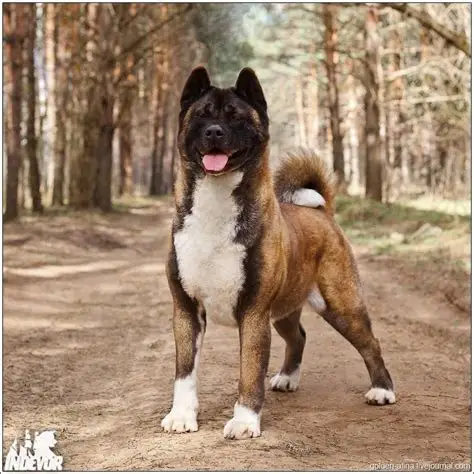
Ensuring a Long and Happy Life for your Akita
Welcome to your go-to resource for everything related to the well-being of your magnificent Akita. These noble and loyal dogs are more than just pets; they are family. As a responsible owner, understanding their unique needs is the first step toward a long, joyful journey together. This guide is designed to walk you through the most common Akita health issues and provide you with practical, actionable care tips to keep your furry friend in peak condition. Whether you’re researching an Akita puppy price USA or are a seasoned owner, this information is vital.
Understanding Your Akita’s Genetic Blueprint
To properly care for an Akita, it’s helpful to understand their heritage. Bred in the mountainous regions of Japan as formidable hunting dogs, Akitas are strong, independent, and resilient. However, like many purebred dogs, this specific breeding has predisposed them to certain genetic Akita health issues. Being proactive is not about worrying; it’s about empowering yourself with knowledge.
Common Akita Health Issues: What to Watch For
While Akitas are generally robust, there are several health conditions that they are genetically prone to developing. Early detection is often the key to successful management and treatment. Let’s delve into the most significant Akita health issues.
Hip and Elbow Dysplasia: A Skeletal Concern
One of the most well-known Akita health issues is hip dysplasia, a condition where the ball and socket of the hip joint don’t develop or fit together correctly. This leads to instability, wear and tear, and eventually, painful arthritis.
- Causes: It’s a polygenic genetic condition, meaning it’s influenced by multiple genes. However, environmental factors like rapid growth, improper nutrition, and excessive exercise in puppyhood can exacerbate it.
- Signs to Watch For: You might notice a decrease in activity, a “bunny-hopping” run, stiffness when rising, reluctance to jump or climb stairs, and visible discomfort.
- Action Plan: If you are looking at AKC Akita puppies, ensure the breeder provides Orthopedic Foundation for Animals (OFA) or PennHIP clearance for both parents. For your own dog, maintain a healthy weight to reduce stress on the joints and provide joint supplements as recommended by your vet. You can learn more about the condition at the Orthopedic Foundation for Animals.
Gastric Dilatation-Volvulus (GDV): The Deadly Bloat
GDV, commonly known as bloat, is a life-threatening emergency and one of the most feared Akita health issues. It occurs when the stomach fills with gas and then twists on itself, trapping the gas and cutting off blood flow.
- Causes: The exact cause is unknown, but it’s more common in large, deep-chested breeds like the Akita. Risk factors include eating too quickly, a single large meal a day, and vigorous exercise right after eating.
- Signs to Watch For: A distended or swollen abdomen, unproductive retching (trying to vomit but nothing comes up), excessive drooling, restlessness, and signs of pain. This is a medical emergency requiring immediate veterinary care.
- Action Plan: To prevent bloat, feed two or three smaller meals throughout the day instead of one large one. Use a slow-feed bowl to discourage gulping and avoid exercise for at least an hour before and after meals. Discuss preventive gastropexy surgery with your vet, especially if you are considering buying Akita puppies online safely from a breeder who understands these risks. The American College of Veterinary Surgeons provides a detailed overview for concerned owners.
Skin Conditions: Tackling Sebaceous Adenitis
Sebaceous Adenitis (SA) is an inflammatory skin disease that affects the sebaceous glands, which are responsible for producing oils to protect the skin and coat. This is a particularly frustrating one among Akita health issues.
- Causes: It is believed to be an inherited autoimmune disorder.
- Signs to Watch For: You may see excessive dandruff, scaly skin, a “moth-eaten” appearance to the coat, and hair loss, often starting along the top of the head and back. The skin may also have a musty odor.
- Action Plan: Diagnosis is typically confirmed with a skin biopsy. Treatment is lifelong and focuses on managing symptoms, often involving specialized medicated shampoos, oils (like omega-3 supplements), and in some cases, medications. Consistent grooming is non-negotiable. For in-depth information, the American College of Veterinary Dermatology is a great resource.
Hypothyroidism: The Sluggish Metabolism
Hypothyroidism is a common endocrine disorder where the thyroid gland doesn’t produce enough hormones, slowing down the dog’s metabolism.
- Causes: In most cases, it is caused by an autoimmune disease called lymphocytic thyroiditis.
- Signs to Watch For: Look for unexplained weight gain, lethargy, mental dullness, hair loss (especially on the trunk), and skin that feels cold to the touch.
- Action Plan: Thankfully, this condition is easily managed. A simple blood test can diagnose it, and treatment involves daily, inexpensive thyroid hormone replacement pills that your dog will likely need for life.
Proactive Care: Your Shield Against Health Problems
Knowing about potential Akita health issues is half the battle. The other half is implementing a stellar care routine that can prevent or mitigate many problems. Let’s explore the pillars of proactive Akita care.
Grooming Needs & Shedding Management
Your Akita’s magnificent double coat is beautiful but high-maintenance. It’s designed to protect them from harsh weather, but it also means they are prolific shedders.
- The Shedding Reality: Be prepared for “blowing coat” twice a year, typically in the spring and fall, where they shed their undercoat in massive clumps. During this time, daily brushing is essential.
- Your Grooming Toolkit: Outside of shedding season, brushing 2-3 times a week with an undercoat rake and a slicker brush is ideal. This prevents mats, distributes natural skin oils, and keeps your home relatively fur-free. Bathing should be done only every few months or when dirty to avoid stripping essential oils. Looking for the right tools? Check out our guide to the best grooming tools for double-coated breeds on our website.
Diet and Portion Control: Fuel for a Giant Breed
Proper nutrition is the cornerstone of preventing many Akita health issues, particularly joint problems.
- Choosing the Right Food: Select a high-quality, large-breed puppy or adult dog food. These formulas are designed to support controlled growth, which is critical for protecting developing joints.
- The Perils of Overfeeding: Akitas are prone to obesity, which puts immense strain on their hips and elbows. Strict portion control is a must. Follow the feeding guidelines on the bag as a starting point, but always adjust based on your dog’s individual activity level and body condition. Avoid free-feeding. The World Small Animal Veterinary Association‘s global nutrition guidelines offer excellent advice.
Moderate Exercise Needs: Strong, Not Strained
Akitas need daily exercise to stay physically and mentally fit, but their needs are often described as “moderate.”
- Ideal Activities: Two good walks a day, combined with some playtime in a securely fenced yard, are usually sufficient. They often enjoy activities like hiking.
- A Word of Caution: Due to their joint concerns, avoid forced, high-impact exercise like long-distance running, especially on hard surfaces, particularly during their first two years of life. Mental stimulation through training and puzzle toys is just as important as physical exertion. Remember, finding Akita puppies for sale USA Canada means committing to a lifestyle that balances their energy with their physical limitations.
Finding a Healthy Akita Puppy: Your First Line of Defense
The single most important decision you can make to avoid future Akita health issues is to choose a responsible breeder. When you search for “Buy Akita puppies near me” or “Affordable Akita puppies,” be very cautious.
- Red Flags: Low prices often come with high veterinary bills. Avoid breeders who have multiple litters available, won’t let you see the mother, or cannot provide health clearances.
- What to Look For: A reputable breeder, such as those with AKC Akita puppies, will proudly show you health clearances for the puppy’s parents, including OFA/PennHIP for hips, thyroid evaluations, and possibly SA screenings. They will ask you as many questions as you ask them. Doing your due diligence before you buy Akita puppies online safely is the best investment you can make in your future companion’s health. Ready to start your search? Use our comprehensive checklist for selecting a responsible Akita breeder to find a trustworthy source.
A Lifetime of Loyalty and Health
Caring for an Akita is a deeply rewarding commitment. By understanding the potential Akita health issues like hip dysplasia, bloat, SA, and hypothyroidism, and by implementing a consistent routine of proper grooming, disciplined feeding, and moderate exercise, you are giving your dog the gift of a healthier, happier life. Your vigilance and love are the most powerful medicines of all. If you’re considering welcoming one of these noble dogs into your home, we encourage you to explore our network of vetted Akita rescues as a wonderful alternative.

0 Comments